Business License

PCB/PCBA processing must do! How to avoid potential quality risks of ion contamination detection?
In today's fiercely competitive electronics market, long-term product reliability and stability are crucial for building brand reputation. Many PCB/PCBA manufacturers face a persistent challenge: products that pass factory tests flawlessly often develop recurring malfunctions, functional irregularities, or complete failures after being delivered to customers and used for extended periods. At the heart of this issue lies a hidden culprit that frequently proves responsible———ionic contamination.
What is ion contamination? Where does it come from?
Ion pollution refers to the various ionic substances remaining on the surface of the circuit board during PCB/PCBA manufacturing, such as:
Solder paste residue: Residues from flux used during welding. Electroplating residues: Activators and plating salts remaining after the process. Human sweat: Chloride and sodium ions introduced through improper handling during production. Inadequate cleaning: Using substandard or contaminated solvents for cleaning...
These residues themselves are not conductive, but once in the environment humidity increases or the circuit board is powered on, they absorb water to form an electrolyte, creating a weak leakage current between two adjacent solder joints or lines, and even electrochemical migration, forming dendrites, which eventually lead to short circuits, corrosion and complete failure of the circuit.
Why PCB/PCBA processing must be ion contamination test?
Avoid "potential" risks and prevent them before they happen
The hazards of ionic contamination manifest through a latent period rather than immediate effects. Standard functional tests cannot detect these chemical risks. Only specialized ionic contamination testing can identify such risks before products leave the factory, preventing costly after-sales repairs and safeguarding brand reputation.
Comply with industry standards and customer requirements
Regular testing can trace pollution sources back to their source. Is it a welding problem? Improper cleaning process parameters? Or an operating environment that doesn't meet standards? The test data provides scientific basis for optimizing SMT placement, soldering and cleaning processes, improving product quality from the source.
How to detect it efficiently and accurately?
Selecting a high-efficiency and reliable testing device is crucial for quality control. As China's leading provider of professional solutions including measurement instruments and intelligent inspection equipment, Bamtone's independently developed ICT series ion contamination testers offer an ideal solution for this purpose. The ICT series employs the "solvent extraction method," which measures changes in the conductivity of solvent liquids used during PCB/PCBA cleaning to accurately calculate equivalent ion content per unit area. This approach demonstrates significant advantages and delivers remarkable results:
Efficient and Precise: Automated measurement and computation significantly reduce human error, ensuring consistent results with high accuracy and reliability to guarantee the authority of inspection reports.
User-Friendly Interface: Featuring a user-friendly interface, operators can quickly master the system after brief training, enabling efficient daily testing tasks seamlessly integrated into fast-paced production quality control processes.
Stable and Durable: The Bamtone Ion Contamination Tester ICT Series is renowned for its exceptional stability and durability, capable of handling frequent testing demands in factory workshops while ensuring long-term stable operation in quality control procedures.
Reliable Data Recording: The ICT Series records and outputs test data, facilitating the establishment of product quality databases and enabling traceability and analysis of quality issues. Ion contamination detection is not merely an "optional feature" but an indispensable safety mechanism in modern PCB/PCBA manufacturing systems. It safeguards not only current product compliance but also ensures reliable operation for years to come. This represents a strategic decision that helps enterprises mitigate quality risks, enhance market reputation and competitiveness, and earn trust from premium clients.
Recently Posted
-
Bamtone ICT Series Ion Contamination Tester – Safeguarding the Core of Intelligent Manufacturing
August 31, 2026Electronic products have become ubiquitous in every aspect of our lives; PCB-induced contamination, as a hidden yet formidable thr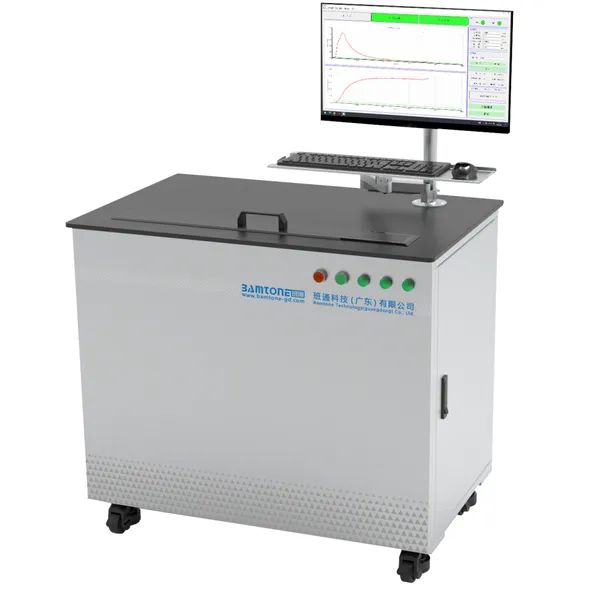 Read More
 -
Copper Thickness Tester: Critical Instrument for PCB Quality Assurance
August 28, 2026I. Impact of improper copper thickness:The impact of PCB copper thickness not meeting specifications: The actual copper thickness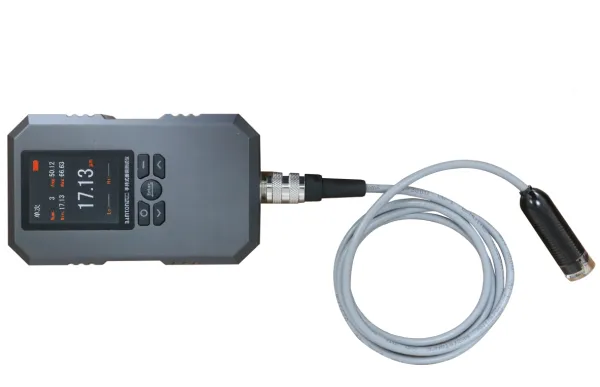 Read More
 -
Bamtone HCT Current Withstand Test Plan: In the AI era, how do we make sure PCB circuits don’t 'fall
August 25, 2026With the rapid development of AI technology, the power consumption of AI servers and high-performance computing devices, especiall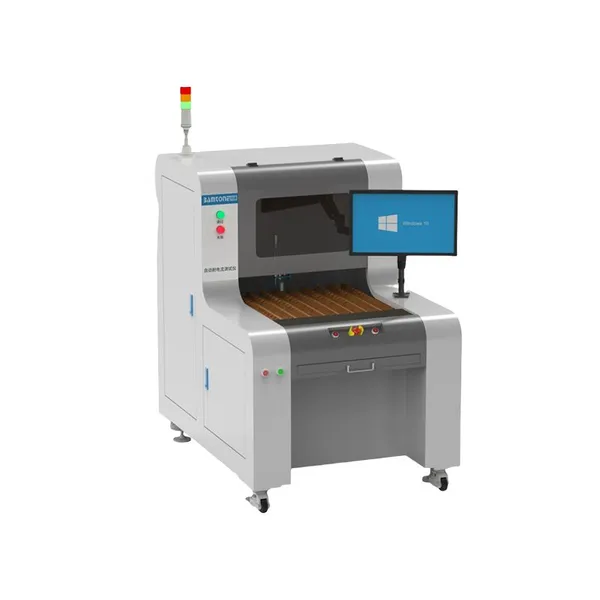 Read More

Contact Us
Recommended Products
-
 Manual Current-Carrying Tester Bamtone/HCT30US$ 19100 - 19200MOQ: 1 Combo
 -
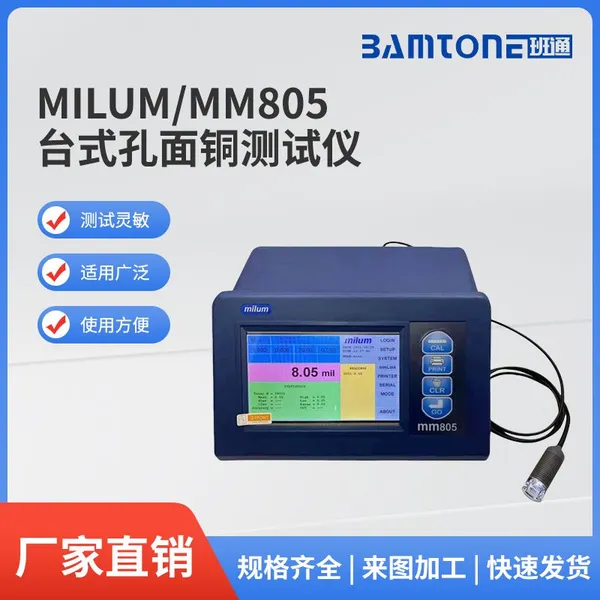
Desktop Hole Surface Copper Thickness Gauge – Milum805US$ 7795MOQ: 1 Combo
-
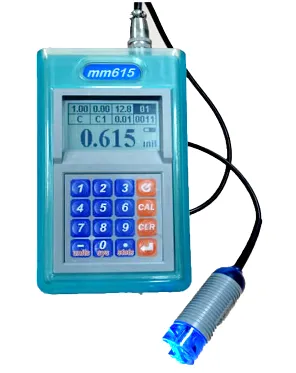
Handheld Copper Surface Tester Mm615US$ 3530MOQ: 1 Combo
-
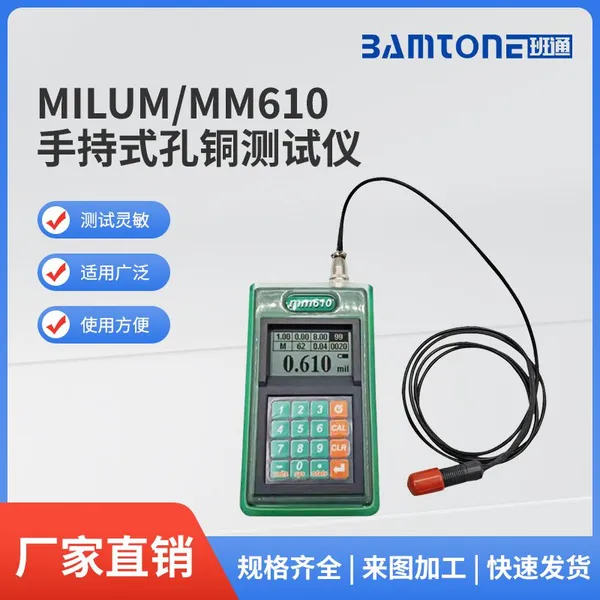
Handheld Hole Copper Tester Model:Milum Mm610US$ 3825MOQ: 1 Combo
-
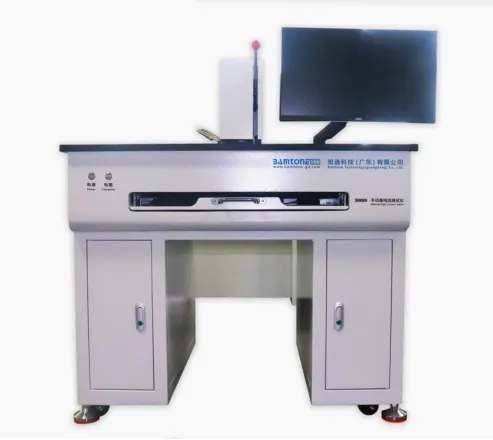
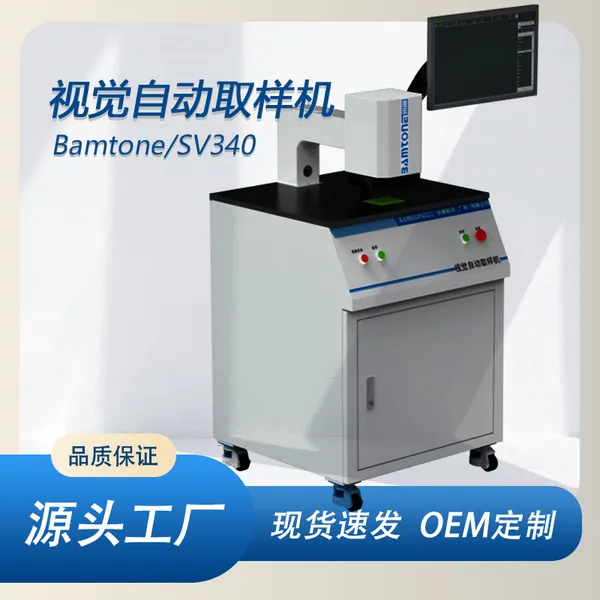
Bamtone/S395 Visual Automatic Sampling MachineUS$ 7352MOQ: 1 Combo
-
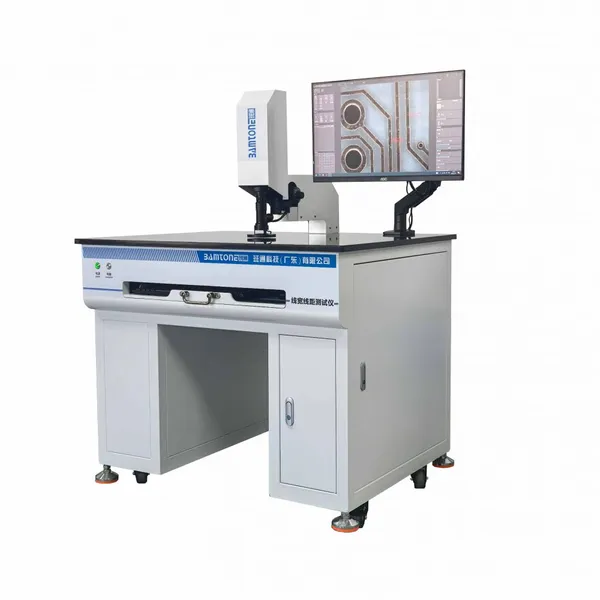
Line Width and Line Spacing Tester Bamtone D300US$ 5620MOQ: 1 Combo
-
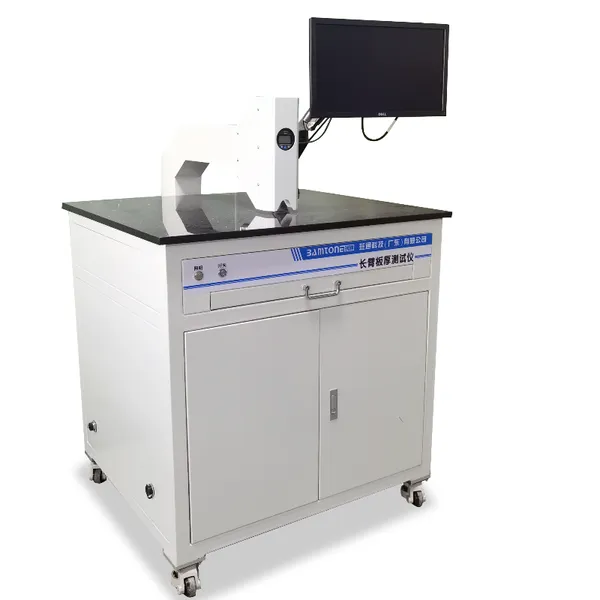
Long Arm Thickness Measuring Instrument Introduction of Bamtone/L550P ProductsUS$ 3380MOQ: 1 Combo
-
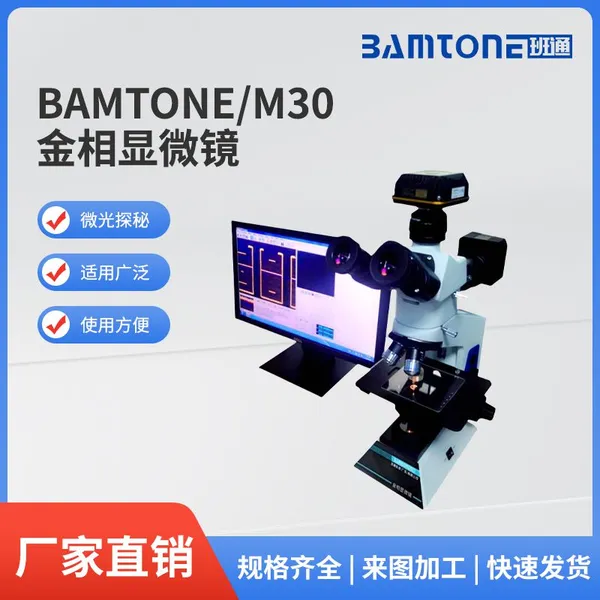
Introduction of Metallographic Microscope Bamtone M30US$ 2200MOQ: 1 Combo
-
Portable PCB Copper Thickness Gauge – CMI165 Original HitachiUS$ 3550MOQ: 1 Combo
-
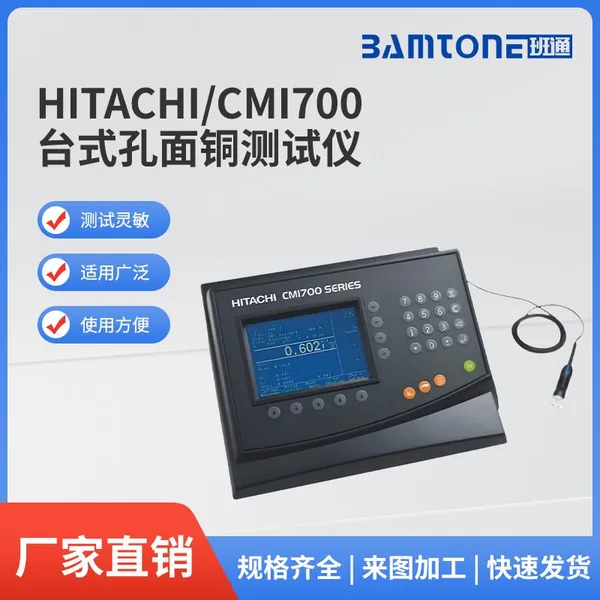
Introduction of Hitachi Desktop Hole Surface Copper Thickness Gauge CMI700/CMI760US$ 9270MOQ: 1 Combo
-
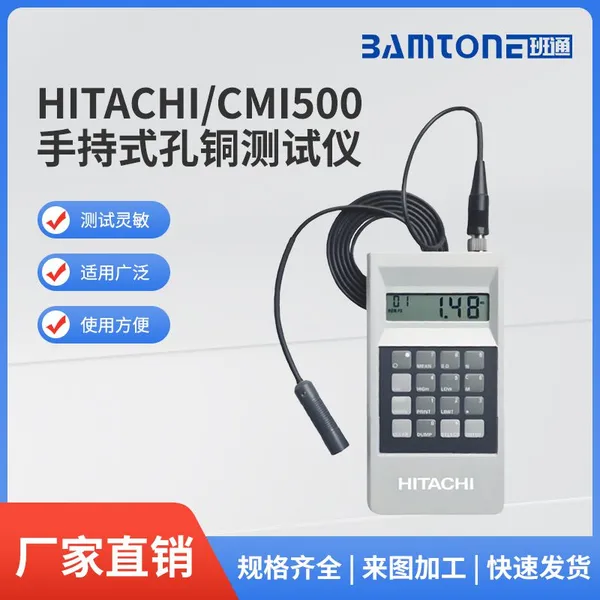
Copper Tube Thickness Tester CMI511 (CMI500) Hitachi OriginalUS$ 5300 - 5368MOQ: 1 Combo
-
Handheld Copper Tester Bamtone T60FNegotiableMOQ: 1 Case
-
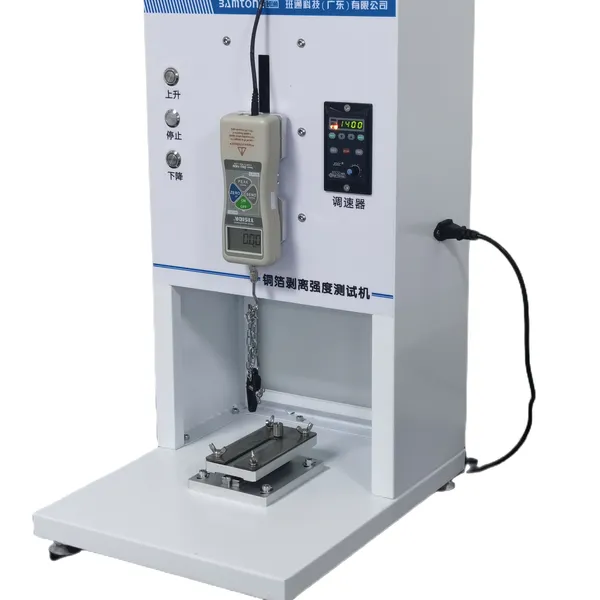
Copper Foil Peeling Strength Tester Bamtone/Peel-01NegotiableMOQ: 1 Combo
-
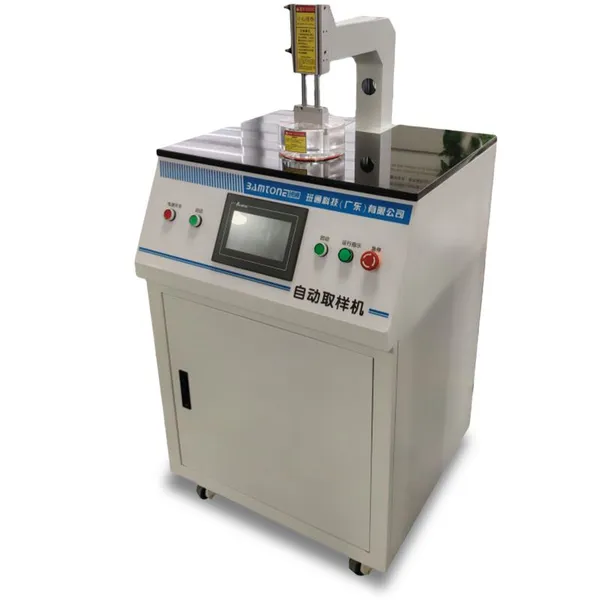
Automatic Sampler Introduction of Bamtone/S275 ProductsNegotiableMOQ: 1 Combo
-
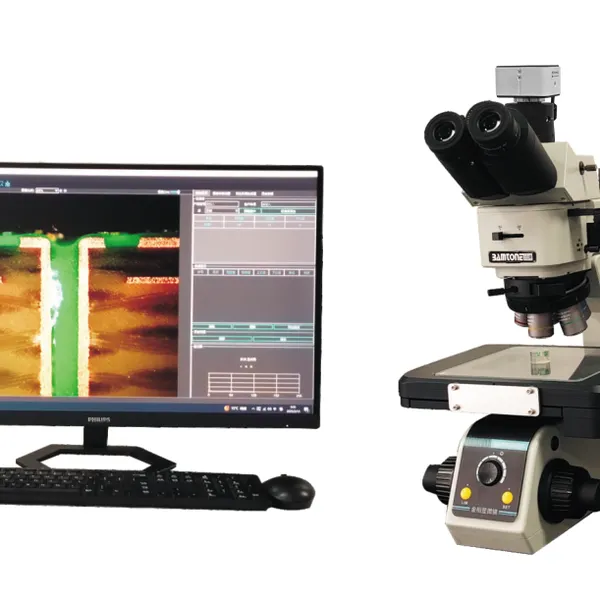
Bamtone/M60 Metallographic MicroscopeNegotiableMOQ: 1 Combo
-
China Bamtone Technology TDR Impedance Analyzer High Bandwidth Impedance Test 15G BandwidthUS$ 21030MOQ: 1 Combo
-
China Bamtone Technology TDR Impedance Analyzer High Bandwidth Impedance Test 20G BandwidthUS$ 42060MOQ: 1 Combo
-
Bamtone MCT Series Multi-channel Copper Thickness Testing SystemNegotiableMOQ: 1 Combo
-
Automatic Current Withstand Tester Bamtone HCT80US$ 49000MOQ: 1 Combo
-
Bamtone T90 Automatic Copper Thickness Inspection MachineUS$ 42055MOQ: 1 Combo