Business License

Why an Ionic Contamination Tester Is Non-Negotiable for High-Reliability PCBA Manufacturing
Introduction
For electrical engineers, procurement managers and EPC contractors serving automotive, aerospace, medical and energy electronics, hidden ionic residues remain one of the costliest root causes of long-term product failure. Flux activators, plating salts and handling contaminants left on bare PCBs or populated assemblies do not always trigger immediate electrical failure in factory tests. Under high humidity, temperature cycling and operating voltage, these soluble ions dissolve into a thin water film, enabling electrochemical migration, dendrite formation, conductive anodic filament (CAF) growth and surface insulation resistance (SIR) degradationIEC Websto....
A field failure traced to ionic contamination can trigger warranty claims, batch recalls and qualification rejection, especially for Class 3 high-reliability hardware. According to PW Consulting’s Worldwide Ionic Contamination Testers Market 2026 report, the global ionic contamination tester market was valued at USD 145.5 million in 2025 and is projected to expand at a 7.01% CAGR through 2032, driven by tighter cleanliness requirements for automotive power electronics, aerospace assemblies and medical devices. This growth reflects a clear industry shift: passive visual inspection alone is no longer sufficient to guarantee long-term board reliability.
What Ionic Contamination Is, and Why Visual Inspection Cannot Catch It
Ionic contamination consists of soluble inorganic and organic ionic residues from soldering flux, plating processes, cleaning chemistry and human handling. These residues are often invisible under optical inspection. When moisture penetrates the assembly, ions mobilize between adjacent conductors, creating conductive paths that gradually degrade insulation and eventually produce intermittent or permanent short circuitsthor.inemi....
IPC-TM-650 Method 2.3.25 defines the widely accepted ROSE (Resistivity of Solvent Extract) test procedure for quantifying total ionic residue as NaCl equivalent mass per unit area (µg/cm²)Global Ele.... IPC J-STD-001 originally established the historic benchmark of 1.56 µg/cm² NaCl equivalent for cleaned assemblies, though the IPC J-STD-001G Amendment 1 clarifies that this single ROSE value cannot stand alone as full process qualification evidence for modern no-clean formulations and fine-pitch assembliesIPC Store. IPC-5704 sets dedicated cleanliness requirements for unpopulated bare printed boards, separating bare-board contamination control from populated assembly testingGlobal Ele....
IEC TR 61191-9:2023, published by the International Electrotechnical Commission, documents how ionic residues accelerate electrochemical migration under humid operating conditions for automotive circuit assemblies and recommends systematic cleanliness monitoring as part of reliability validation workflowsIEC Websto....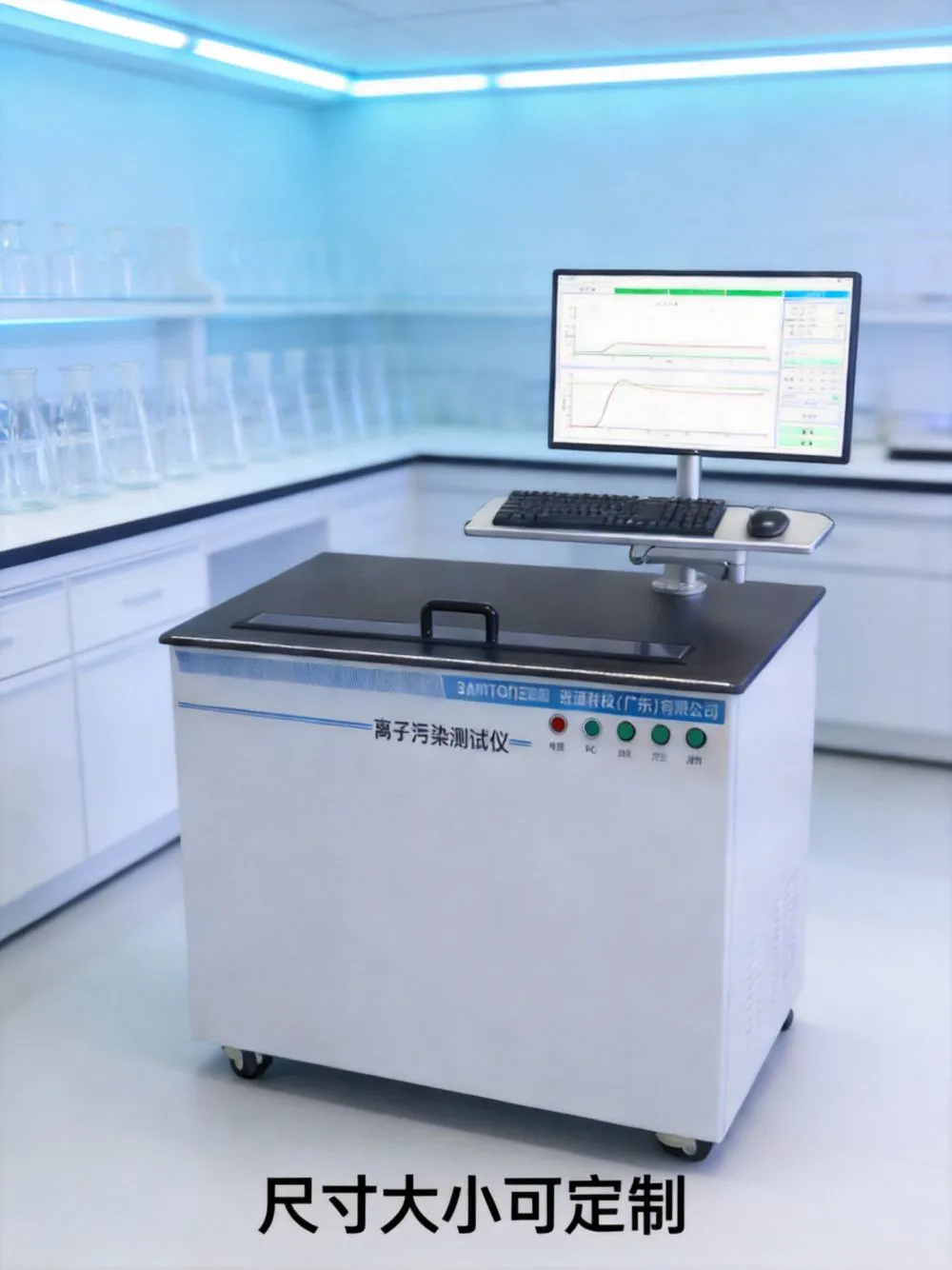
Why You Need an Ionic Contamination Tester (Not Just Laboratory Batch Sampling)
Many manufacturers outsource contamination testing to third-party labs. This approach works for occasional qualification but creates three critical risks for high-volume production:
Slow feedback loop: Sending samples externally adds days to turnaround. When a cleaning bath, flux lot or stencil parameter drifts, hundreds or thousands of assemblies may already be produced before you detect elevated contamination.
Limited sampling coverage: Laboratory testing only covers selected coupons. Localised residues trapped beneath QFN, BGA and bottom-terminated components are frequently missed by random sampling, as documented in the iNEMI PCBA Cleanliness Project report of October 2019thor.inemi....
Loss of process control traceability: In-house ionic contamination testers generate continuous, timestamped datasets for SPC monitoring. This evidence is mandatory for customer audits, automotive PPAP, aerospace source inspection and medical device traceability requirements.
An ionic contamination tester brings ROSE measurement capability onto your production floor or quality lab. It extracts soluble ions using standard IPA/deionised water solvent mixtures, measures extract resistivity and calculates total ionic contamination in µg/cm² NaCl equivalent. The equipment turns subjective cleanliness assumptions into repeatable, auditable numerical data for incoming bare boards, post-solder assemblies and post-clean validation.
Use Cases for Electrical Engineers, Procurement and EPC Teams
1. Bare PCB incoming quality control
Verify bare board cleanliness before SMT assembly, complying with IPC-5704. Catch plating residue or factory cleaning drift before you invest in component population.
2. Assembly process qualification and cleaning recipe validation
Qualify no-clean solder paste, aqueous cleaning processes and flux changes. Compare contamination levels across different flux batches, conveyor speeds and bath chemistry maintenance cycles, aligned to IPC-TM-650 2.3.25.
3. Production in-line / batch process control
Run periodic batch checks to monitor process drift. Rising ionic readings act as an early warning before SIR failures or field migration defects appear.
4. Failure analysis and root-cause troubleshooting
When a unit fails accelerated humidity testing, the tester helps distinguish whether failure stems from ionic residues versus design, laminate or packaging issues. This supports audit documentation for EPC and OEM customers.
5. Pre-delivery compliance for high-reliability contracts
Aerospace, medical and automotive OEMs increasingly require documented ionic cleanliness data alongside SIR reports. An in-house tester removes dependence on third-party lab scheduling and demonstrates process maturity during supplier audits.
Common Misconception: ROSE Does Not Replace SIR or Ion Chromatography
This point is critical for technical buyers. ROSE ionic contamination testing is a process control tool, not a full reliability prediction test. As outlined in IPC technical literature, ROSE measures total soluble ionic load, while surface insulation resistance (SIR) evaluates real-time insulation stability under bias and humidity, and ion chromatography identifies individual ionic species such as chloride, bromide and sulphate for deep root-cause analysis.
For most production environments, ionic contamination testers deliver fast, affordable screening. When ROSE results fall near specification limits or failures occur in accelerated humidity testing, engineers then deploy SIR or ion chromatography for deeper investigation. This tiered strategy optimises testing cost and throughput.
What to Evaluate When Sourcing an Ionic Contamination Tester
Technical procurement teams and quality managers should evaluate these criteria before selection:
Compliance with IPC-TM-650 2.3.25 ROSE test method
Calibration traceability and repeatability across small and large board sizes
Automated solvent extraction, temperature control and surface-area calculation
Built-in data logging, timestamping and report export for SPC and audit records
Software traceability for lot numbers, operator IDs and sample identifiers
Service support, spare parts availability and on-site validation support for North America, EU and Middle East production sites
Conclusion
As electronics shrink into finer pitches, tighter component standoffs and higher operating voltages, ionic residues become a bigger reliability liability. Field failures caused by invisible contamination carry disproportionate commercial risk for automotive, aerospace, medical and EPC projects.
An ionic contamination tester is not an optional luxury; it is a core quality control instrument that quantifies board cleanliness, detects process drift early, reduces warranty exposure and delivers auditable evidence aligned to IPC and IEC standards. For B2B buyers evaluating equipment investment, the strongest ROI comes from stopping contaminated assemblies before shipment rather than remediating field failures.
If your team is qualifying new cleaning processes, auditing bare-board suppliers or preparing for high-reliability OEM qualification, schedule a technical consultation to review tester performance, method validation and compliance reporting workflows.
Recently Posted
-
Ionic Contamination Tester: ROSE Measurement System for PCB & PCBA Cleanliness Validation
October 19, 2026IntroductionFor electronics manufacturers serving automotive, aerospace, medical device and EPC markets, invisible ionic residues Read More
-
Bamtone F-series full-size fly-pole measuring instrument gains favor from major manufacturers
September 23, 2026In today's era of accelerated integration between artificial intelligence and manufacturing, the requirements of electronic ma Read More
-
Bamtone ICT Series Ion Contamination Tester – Safeguarding the Core of Intelligent Manufacturing
August 31, 2026Electronic products have become ubiquitous in every aspect of our lives; PCB-induced contamination, as a hidden yet formidable thr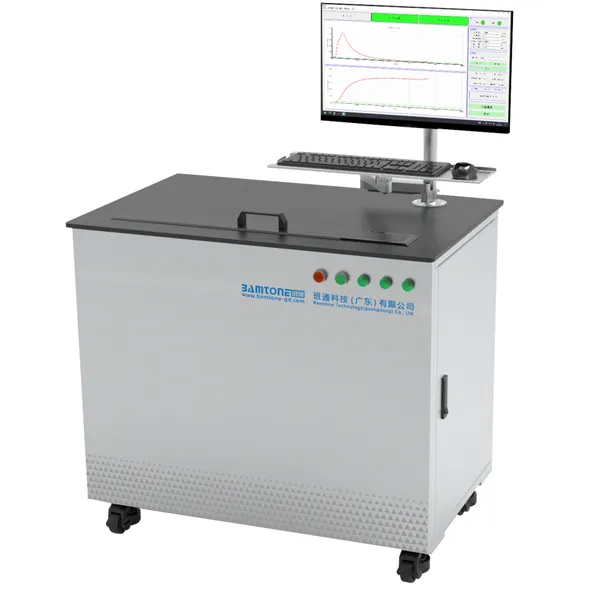 Read More
-
Copper Thickness Tester: Critical Instrument for PCB Quality Assurance
August 28, 2026I. Impact of improper copper thickness:The impact of PCB copper thickness not meeting specifications: The actual copper thickness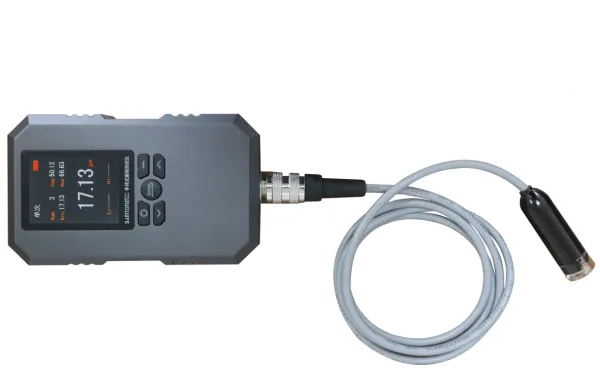 Read More

Contact Us
Recommended Products
-
 Ion Contamination Tester Bamtone ICT6550 Ion Pollution DetectorNegotiableMOQ: 1 Carton
-
Manual Current-Carrying Tester Bamtone/HCT30US$ 19100 - 19200MOQ: 1 Combo
-
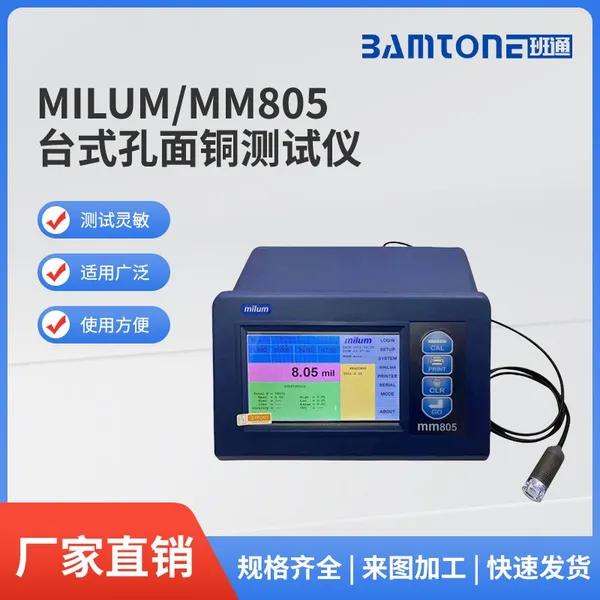
Desktop Hole Surface Copper Thickness Gauge – Milum805US$ 7795MOQ: 1 Combo
-
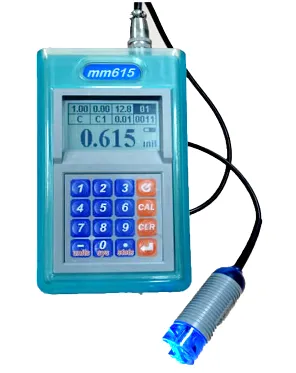
Handheld Copper Surface Tester Mm615US$ 3530MOQ: 1 Combo
-
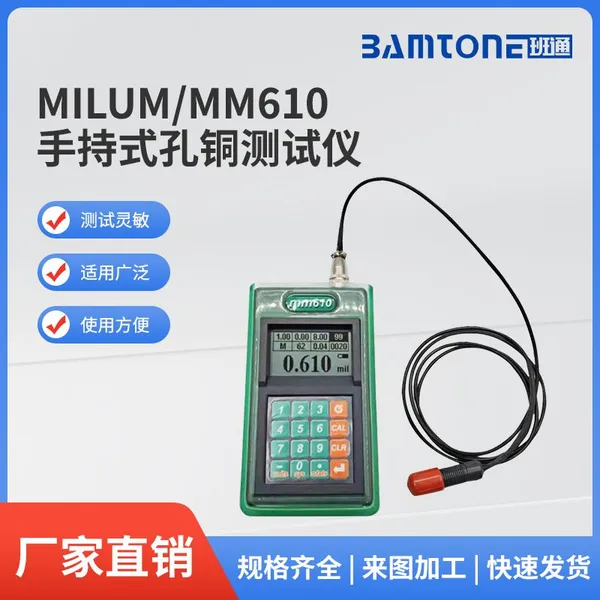
Handheld Hole Copper Tester Model:Milum Mm610US$ 3825MOQ: 1 Combo
-
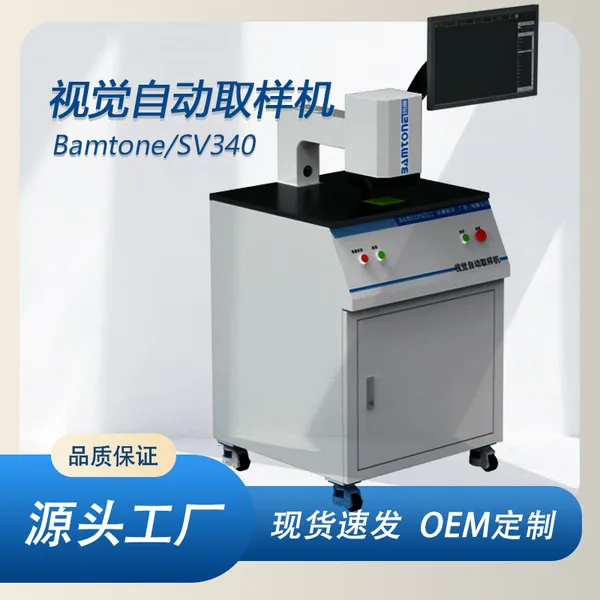
Bamtone/S395 Visual Automatic Sampling MachineUS$ 7352MOQ: 1 Combo
-
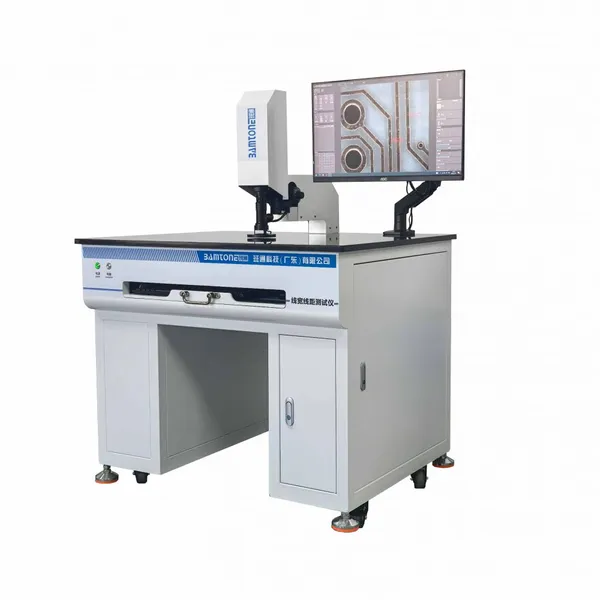
Line Width and Line Spacing Tester Bamtone D300US$ 5620MOQ: 1 Combo
-
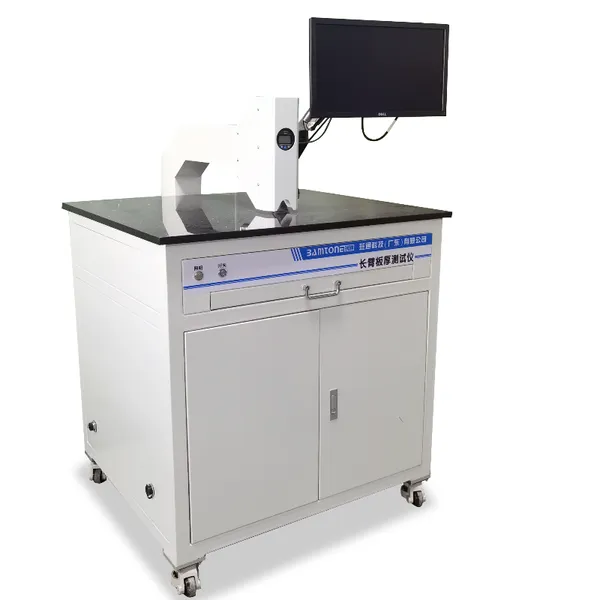
Long Arm Thickness Measuring Instrument Introduction of Bamtone/L550P ProductsUS$ 3380MOQ: 1 Combo
-
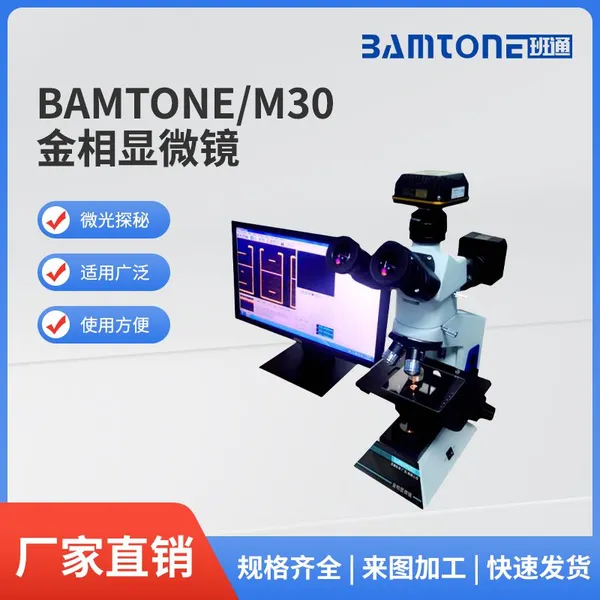
Introduction of Metallographic Microscope Bamtone M30US$ 2200MOQ: 1 Combo
-
Portable PCB Copper Thickness Gauge – CMI165 Original HitachiUS$ 3550MOQ: 1 Combo
-
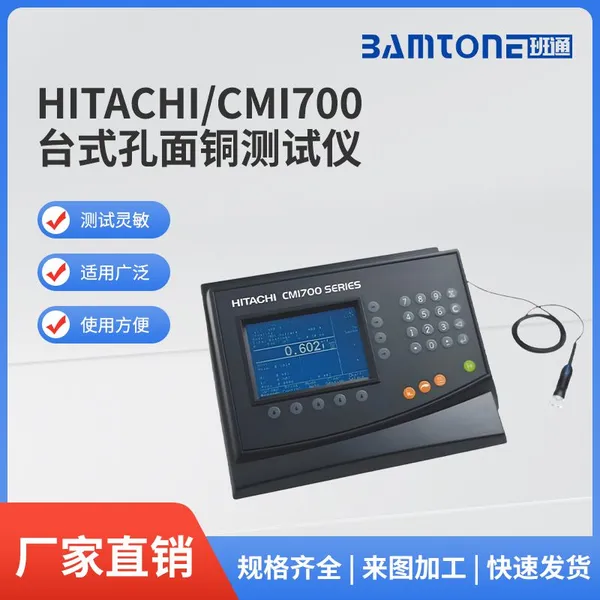
Introduction of Hitachi Desktop Hole Surface Copper Thickness Gauge CMI700/CMI760US$ 9270MOQ: 1 Combo
-
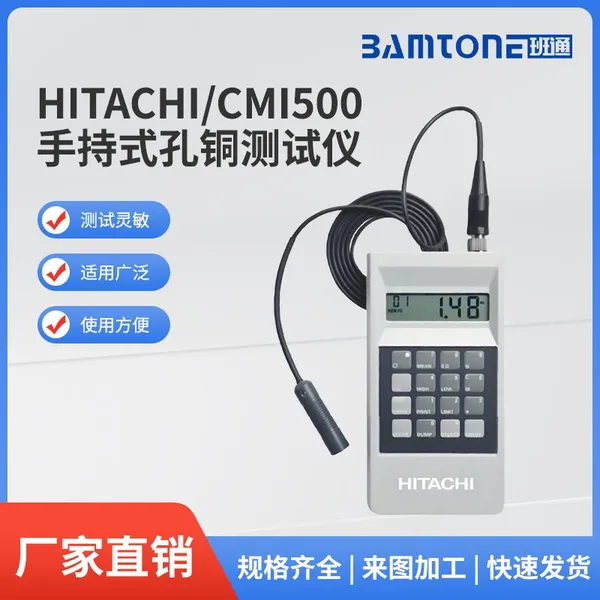
Copper Tube Thickness Tester CMI511 (CMI500) Hitachi OriginalUS$ 5300 - 5368MOQ: 1 Combo
-
Handheld Copper Tester Bamtone T60FNegotiableMOQ: 1 Case
-
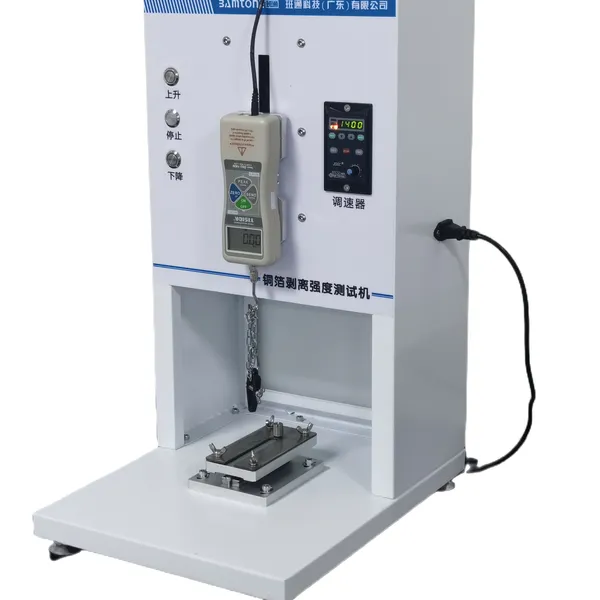
Copper Foil Peeling Strength Tester Bamtone/Peel-01NegotiableMOQ: 1 Combo
-
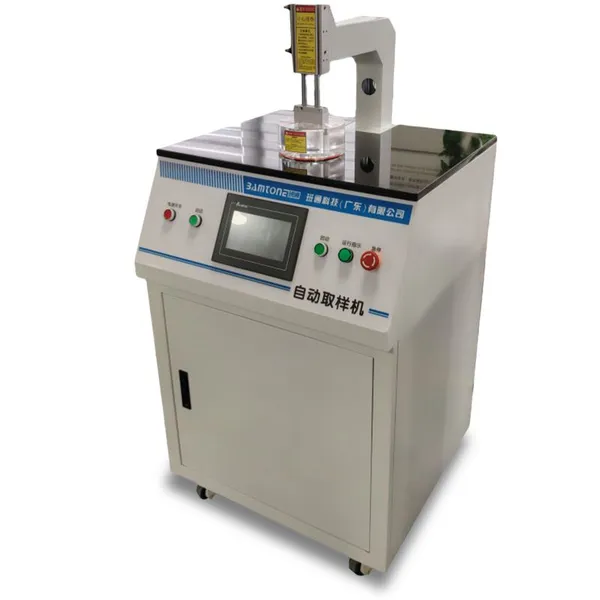
Automatic Sampler Introduction of Bamtone/S275 ProductsNegotiableMOQ: 1 Combo
-
Bamtone/M60 Metallographic MicroscopeNegotiableMOQ: 1 Combo
-
China Bamtone Technology TDR Impedance Analyzer High Bandwidth Impedance Test 15G BandwidthUS$ 21030MOQ: 1 Combo
-
China Bamtone Technology TDR Impedance Analyzer High Bandwidth Impedance Test 20G BandwidthUS$ 42060MOQ: 1 Combo
-
Bamtone MCT Series Multi-channel Copper Thickness Testing SystemNegotiableMOQ: 1 Combo
-
Automatic Current Withstand Tester Bamtone HCT80US$ 49000MOQ: 1 Combo